Pair It With Something You Already Do
After brushing your teeth, walk to the mailbox. While coffee brews, do a few push-ups against the counter. Linking movement to a daily habit means you do not have to find extra time — it just happens.

A morning walk, a stretch while the kettle boils, a stroll after dinner — small habits can fit into a normal day without a gym membership or a strict training plan.
See How to StartMany guides focus on long gym sessions or strict plans. That works for some people — but what you do between those sessions often matters just as much. Standing during a phone call, walking to the shop instead of driving, or stretching while you wait for coffee: these small moments add up over a full day in a way that one weekly class simply cannot.
Living in the Netherlands helps: flat bike paths, walkable towns, and a culture where cycling to work is normal. The point is not to turn every hour into training. It is to spot where you already move a little and do a bit more. A five-minute walk after lunch can clear your head for the afternoon — no special gear, no big schedule change. When moving feels normal, not like a chore, you are more likely to keep it up through busy weeks and rainy Dutch weather.
Sitting for long stretches can leave you feeling stiff and low on energy. Many people find that standing up every thirty to sixty minutes — even briefly — feels more sustainable than saving all activity for one session per week. Individual experiences vary; these are general lifestyle ideas, not professional guidance.
Picture a typical workday. If you sit all week and only move at the gym on Sunday, most hours stay still. Compare that with five short breaks a day: fill your water bottle, do ten squats by your desk, or walk to the end of the hall and back. That adds up to about seventy-five minutes of light activity across the week — spread through ordinary moments.
Get up, roll your shoulders back ten times, march on the spot for a minute. You will often feel clearer before your next task.
Walk around the block for three minutes at an easy pace. A short stroll after eating beats going straight back to your chair.
Calf raises at the counter, wrist circles, a deep breath with arms overhead. Keeps your joints loose without breaking your focus.
A longer active session once a week still has its place — for strength and stamina you enjoy. But if that is your only movement, most of the week goes unused. Do both: short breaks during the day, plus something longer when you have time.
Read the Full GuideAfter brushing your teeth, walk to the mailbox. While coffee brews, do a few push-ups against the counter. Linking movement to a daily habit means you do not have to find extra time — it just happens.
Cut through the park on your way to the shop. Switch hands when carrying bags. Small detours add steps without feeling like a big training session.
Walking with someone makes time fly and keeps you showing up. You are far less likely to skip a stroll when a friend is waiting at the canal bridge.
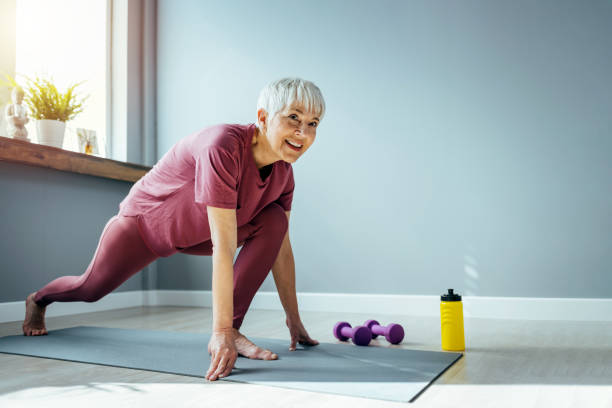
Habits work in a simple loop: a trigger, an action, a small reward. For movement, the trigger might be a phone alarm at half past ten. The action: a two-minute stretch. The reward: your favourite song or fresh air at the window. Do this at the same time and place often enough, and it starts to feel natural — less willpower needed.
Start smaller than you think. Want twenty minutes of walking but currently do none? Begin with three minutes after dinner. Small wins build confidence, and growing from there feels easy. Keep it simple: a tally on the fridge, a note on your phone, or just noticing how many days you moved before ten in the morning. This is not about judging yourself — it helps you see what works and what does not.
Dutch seasons matter. Dark winters push people indoors — plan ahead with stairs, living-room stretches, or a walk through a museum. Summer evenings are perfect for a canal loop. Work with the season, not against it.
Active Chores at HomeSand, forest paths, and grassy dunes ask your ankles, knees, and core to work in ways flat sidewalks do not. Uneven ground can help with balance in everyday situations — kerbs, cobblestones, and busy train platforms. Start gently and build up at your own pace.
You do not need hiking gear. A diagonal cut across a park, a woodland path near Paterswoldse Meer, or the firm edge of a beach on a day trip is enough. Start with ten minutes and notice which muscles feel tired afterward — often the small ones along your shins and hips that gym machines miss.
Try Nature Walks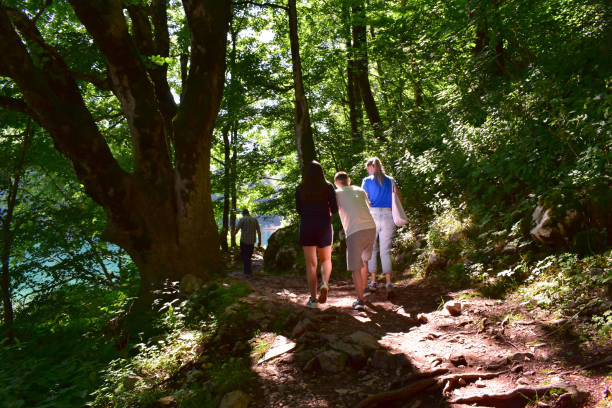
Activity should feel comfortable and within what you can do today. These are general safety reminders for outdoor and home routines — not personalised guidance. Speak with a qualified professional if you are unsure what suits your situation.
Drink water before and after walks, especially in warm weather or during longer outdoor sessions. Mild dehydration can make movement feel harder than it needs to be.
Choose shoes with adequate grip for the surface — trainers for pavement, sturdier soles for trails. Wet grass and sand require extra caution to avoid slips.
Dutch weather changes fast. Wind in open areas can chill you quickly — bring a light jacket even when the morning looks fine.
Discomfort, dizziness, or feeling unusually out of breath? Stop and rest. Everyday movement should feel manageable — slow down or pause when you need to.
Informal group walks — no pressure, no dress code. Come as you are, leave when you like. Dates update monthly.
| Date | Event | Location | Details |
|---|---|---|---|
| 14 Jun 2026 | Canal Sunrise Walk | Prinsesseweg area | 45-minute conversational pace along waterways. Register interest |
| 28 Jun 2026 | Forest Trail Introduction | Paterswoldse Meer edge | Gentle uneven-terrain walk for beginners. Sturdy shoes recommended. |
| 12 Jul 2026 | Group Walking Meet-up | Stadspark Groningen | Learn how to structure mobile discussions with colleagues or friends. |
| 26 Jul 2026 | Active Household Demo | Community space — contact for address | Informal examples of turning cleaning and errands into light activity. |
Pureflexback.ddd is an independent lifestyle publisher based in Groningen, Netherlands (KVK: 76988899). We create free editorial articles about everyday movement — walking, active routines, and time outdoors. We do not sell products, coaching, or subscriptions. Community walks listed on our site are informal and voluntary.
All content is for general information and inspiration only. It is not medical or professional advice. We make no promises about results — outcomes depend on your own choices and circumstances.
Read About UsGeneral activity guides often mention seven to ten thousand steps as a reference point, but any increase from where you are now can be a starting point. If you average four thousand, adding a few hundred more per day for two weeks is a reasonable first step — adjust at your own pace.
They do different jobs. Short breaks break up long sitting and keep you moving through the day. A longer session can build strength and stamina. Many people combine both rather than choosing one.
Create small transitions: a walk before you start work, a stretch between video calls, chores done with a bit more energy. Even pacing on a phone call or calf raises while the kettle boils adds up indoors.
Yes — start short on easy ground. Firm forest paths before deep sand. Wear decent shoes, watch for roots and holes, and add time slowly. Our nature walks page has a simple week-by-week plan.
Pick a topic that fits your life — daily habits, home chores, walking with friends, or getting outdoors.
Get in Touch